Power, Politics, and Public Safety: The Explosive Claims Rocking Kabete
In a political climate already charged with tension, a new controversy has emerged—one that raises serious questions about leadership, accountability, and the safety of private citizens caught in the crossfire.
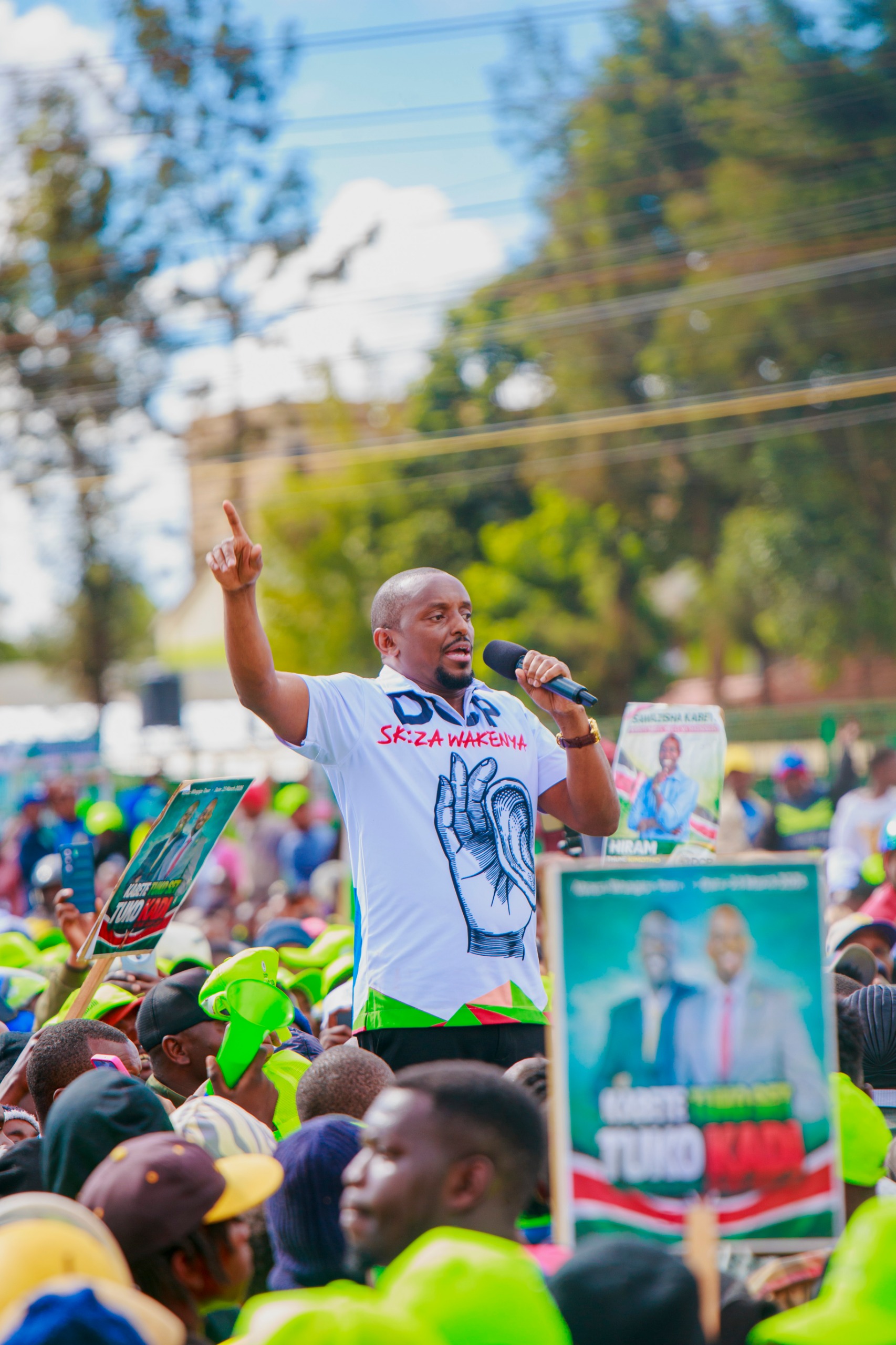
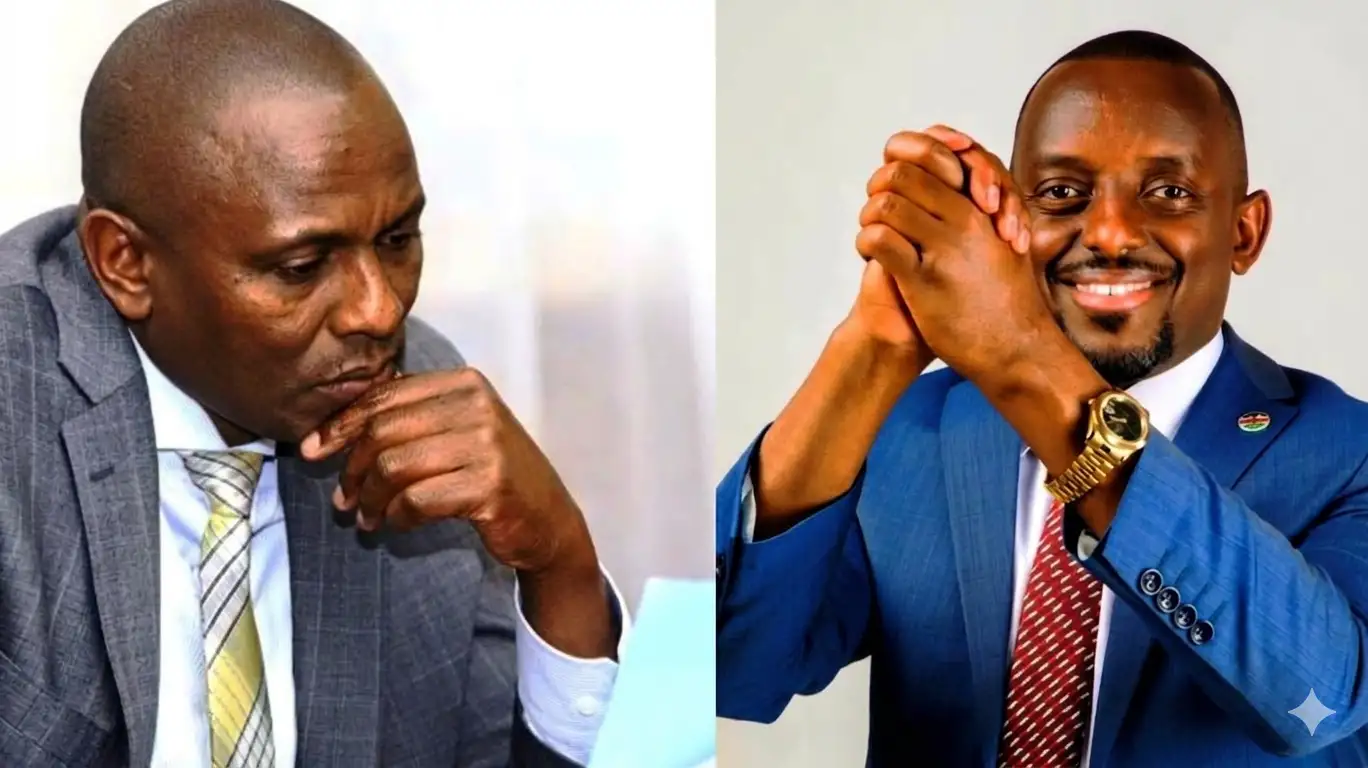
At the center of it all is Kimani Ichung’wah, whose recent remarks have triggered a strong and urgent response from Mr. James Wanjohi, a rising political figure associated with the DCP Party and an incoming Kabete parliamentary contender.
A Line Crossed?
Speaking during a press briefing, Wanjohi did not mince his words.
He accused Ichung’wah of engaging in a “dangerous and reckless pattern”—one where individuals are publicly named and linked to serious allegations without evidence, exposing them to reputational harm and potential physical danger.
This, according to Wanjohi, is not politics.
It is something far more troubling.
“This is not leadership. This is abuse of power.”
In a country where political rhetoric can quickly escalate beyond words, such claims carry weight—and risk.
From Political Strategy to Personal Threat
What makes this situation particularly alarming is the shift from political disagreement to personal safety concerns.
Wanjohi emphasized that he is not aligned with Ichung’wah politically, nor is he part of any alleged schemes. Yet, he finds himself thrust into a narrative that could have real-world consequences—not just for him, but for his family.
“I am a father. I am a husband. When my name is dragged into matters of violence, it does not just affect me—it endangers my entire household.”
This statement reframes the issue. It is no longer just about politics—it is about responsibility and the human cost of careless public accusations.
The Gachagua Factor
The controversy is further intensified by its connection to alleged plans surrounding Rigathi Gachagua and his political activities in the Kikuyu region.
If true, the implications are serious: political rivalry spilling into orchestrated tension, with ordinary citizens potentially used as pawns.
Whether these claims hold or not, the mere suggestion highlights a deeper issue within Kenyan politics—the normalization of high-stakes narratives where truth and safety can become secondary.
A Direct Warning
Wanjohi issued a firm and public declaration:
Any harm—physical, emotional, or otherwise—resulting from these statements will be directly attributed to Ichung’wah.
This is not just a rebuttal.
It is a line drawn.
A Call to Action
Beyond personal defense, the statement expands into a broader appeal:
The Bigger Picture
This incident forces a difficult but necessary question:
What kind of political culture are we building?
When leaders casually invoke names in volatile contexts, the consequences are rarely contained to headlines. They ripple into homes, families, and communities.
And in moments like this, leadership is not measured by power—but by restraint, responsibility, and respect for human life.
James Wanjohi
For Kabete Constituency MP
DCP Party